


Robotaxi Operators to Face Fines for Blocking First Responders Under New California Law
CALIFORNIA: Robotaxi companies such as Tesla, Waymo and Zoox will soon have to give police and firefighters hands-on, local help when their vehicles cause trouble on the road. A new California law also allows penalties if an autonomous vehicle (AV) blocks emergency crews for more than 30 minutes.
What the law requires?
Senate Bill 1246, signed by Governor Gavin Newsom, sets out new rules meant to speed up response times when AVs break down or get in the way of emergency work. It also creates a way to hold companies accountable when they fall short.
The main requirements are:
- Local incident technicians: Companies must provide people on the ground who can help with AV accidents and obstructions.
- Alerts to local authorities: During system-wide failures, operators must tell cities, towns and other local jurisdictions where their vehicles are and what condition they are in.
- Fines for long blockages: Companies can be fined if an AV blocks first responders during an emergency for more than 30 minutes.
- US-based remote drivers: AV developers may only employ remote drivers who are located in the United States and hold a US driver’s license.
Why lawmakers acted?
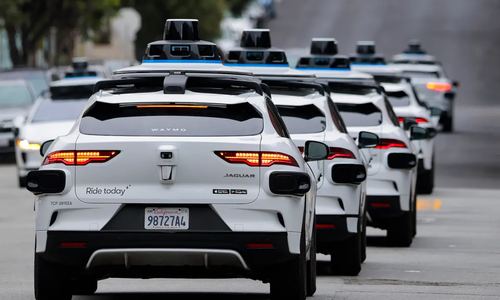
The law follows a run of high-profile incidents in California. Robotaxis have broken down and held up traffic, driven into crime scenes and slowed emergency crews. Most of these cases involved Waymo, the largest robotaxi operator in the country, with roughly 4,000 autonomous vehicles in its commercial fleet nationwide and about 1,200 in the San Francisco Bay Area.
An earlier TechCrunch investigation found several cases in which Waymo relied on first responders to drive its vehicles by hand after they ran into problems. State and federal lawmakers then pushed for tougher rules. The National Highway Traffic Safety Administration (NHTSA) also wrote to AV developers, asking them to come up with solutions.
State Senator Dave Cortese, who introduced the bill, said California welcomes AVs but cannot accept innovation at the cost of public safety. He argued that when an AV crashes, breaks down or obstructs emergency work, accountability must be clear.
Remote drivers versus remote assistance
The remote-driver rule touches on a part of the industry that is poorly understood. “Remote operations” has been used loosely, and companies have shared little about how they work. The law is narrower. It applies to “remote drivers,” meaning a person who directly operates the vehicle from a distance.
Tesla is the only company that has publicly said it has remote operators who can take direct control of its robotaxis. Waymo and others describe a different model, remote assistance, where the self-driving system stays in control and a human can offer guidance or send software commands. Waymo has a global remote assistance team, including staff in the Philippines, and runs command centers in Arizona and Michigan. Zoox says its remote operations teams are based in the United States.
How companies have responded?
Waymo and Zoox have said they will comply. A Waymo spokesperson said the company is thankful for amendments that keep it feasible to serve Californians, and added that it remains committed to safer roads in the state.
When it takes effect?
The law starts in July 2028. The California Department of Motor Vehicles, which regulates AVs in the state, will set guidelines on some details, including required response times.