


PepsiCo, Monster Take India’s Food Regulator to Court Over ‘Energy Drink’ Label Ban
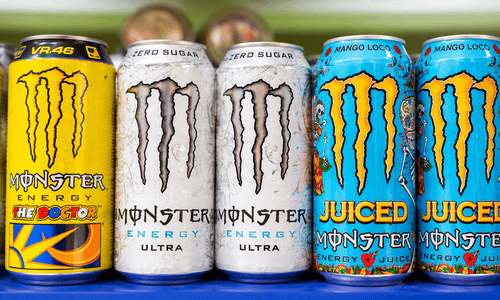
NEW DELHI: Two of the world’s biggest beverage companies are now fighting India’s food safety regulator in court. PepsiCo and Monster Beverage have separately challenged the order that stops them from calling their high-caffeine drinks “energy drinks,” according to court filings reviewed by Reuters. The dispute is shaking up a market projected to reach $1.6 billion by 2028.
What the regulator ordered?
The Food Safety and Standards Authority of India (FSSAI) told manufacturers to stop using the “energy drink” description from June 30, citing health concerns about heavily caffeinated products. The move is part of a wider food safety crackdown in the country.
Companies were reportedly given 90 days, in a private communication, to remove that term or anything similar from their packaging. The regulator’s view is that the label violates existing rules. As per the filings, several states began seizing stock almost immediately.
PepsiCo’s argument
In a 358-page filing dated September 29, PepsiCo India said the ban would have serious commercial consequences and put its large investments at risk. The company said about 492 million bottles and 26 million cans carrying the label were in the market as of July 31.
PepsiCo’s core legal point is procedural. It says it was never given a chance to present its side before the directive was issued, and wants the order set aside.
Monster’s argument
Monster Energy India, the company’s local unit, made a similar claim in its September 30 filing in the Delhi court. It said it received no prior notice and is facing heavy financial losses and damage to its reputation.
Neither Monster nor FSSAI responded to Reuters’ requests for comment.
Why this market matters?
India’s energy drink category took off after PepsiCo introduced Sting in 2017. Its 20-rupee bottles became especially popular with teenagers and in rural areas, according to Euromonitor. PepsiCo also sells Adrenaline Rush. Retail sales in the category are growing at 12.6% a year, ahead of the United States and China.
A mixed picture for companies
Not every firm is on the losing side. This week, the Delhi court quashed the regulator’s order against Austria’s Red Bull after the company raised concerns about the impact on its investments. Separately, a court in western India has paused the order for Hell Energy.
Earlier, industry players, including Reliance, lobbied against the move in August, but the regulator did not budge.
The global health debate
India is not alone in tightening the screws. Regulators worldwide have flagged the caffeine, sugar and taurine content of these drinks, and research links them to problems like high blood pressure and heart issues. England will ban their sale to under-16s from April next year.
The cases are expected to be heard by a judge next week.